
Code Analysis
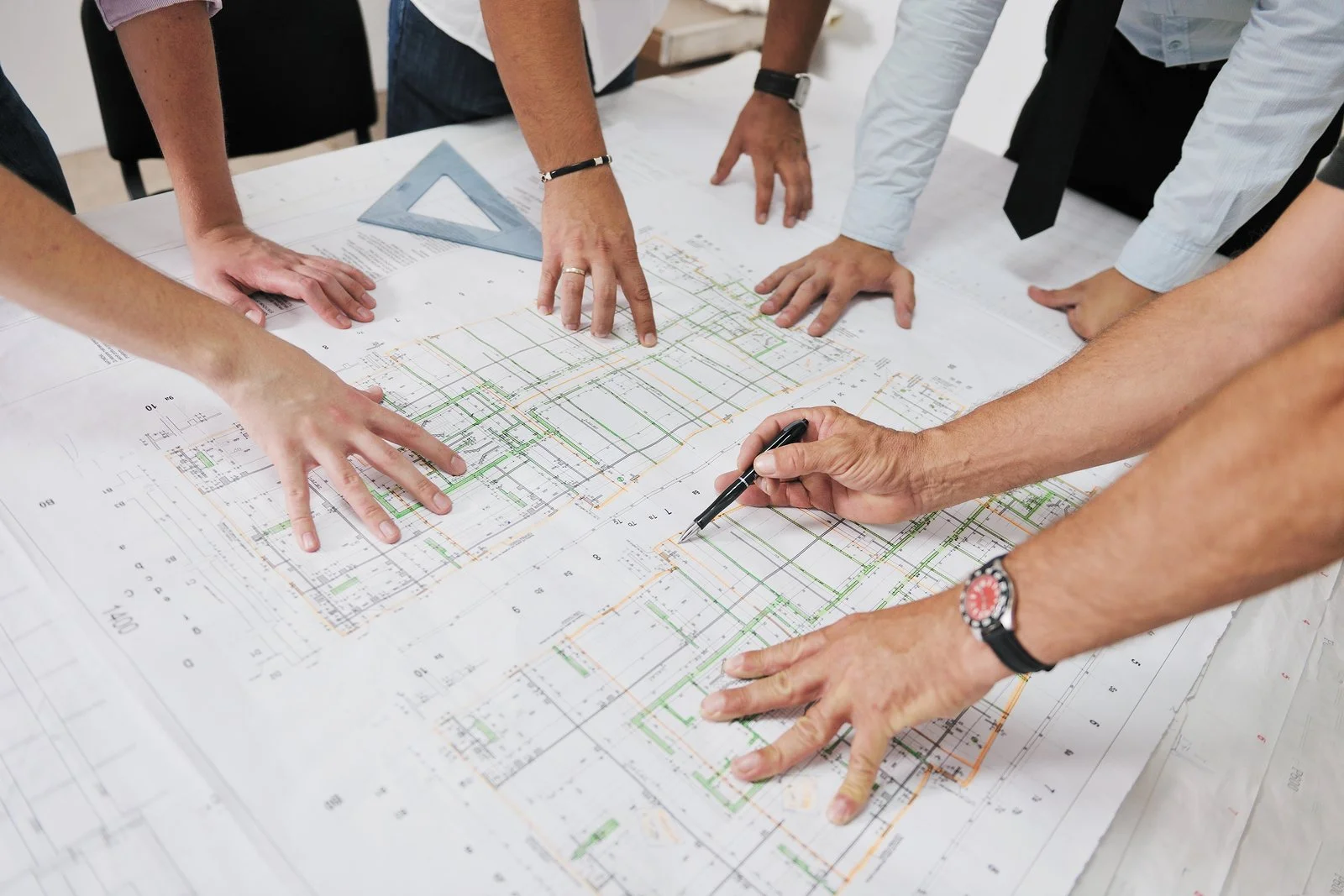
Code analysis is the process of reviewing and evaluating architectural designs, drawings, and specifications to ensure they comply with applicable building codes, safety regulations, and legal requirements.
-
We take a proactive, practical approach by reviewing code not just for compliance, but for how it impacts real world construction and timelines.
Our focus is:
Identifying issues early
Simplifying complex requirements
Aligning design intent with code reality
Supporting smoother permit approvals
-
Building codes are complex, constantly evolving, and vary by jurisdiction. Even small oversights can result in permit rejections, costly revisions, or construction delays.
A proactive code analysis helps:
Reduce risk during permitting
Streamline approvals with municipalities
Prevent costly on-site corrections
Ensure occupant safety and long-term performance
-
A comprehensive code analysis typically evaluates:
Occupancy classification and building use
Building area and height limitations
Fire separations and fire-resistance ratings
Means of egress (exits, travel distances, accessibility)
Barrier-free and accessibility compliance
Life safety systems and spatial requirements
This ensures the design aligns with both regulatory requirements and real-world functionality.
-
Code analysis is most effective when completed early in the design process, but it can also be applied at any stage.
It is especially valuable for:
New developments and permit applications
Renovations or change-of-use projects
Asset repositioning and redevelopment
Projects encountering permit or compliance challenges
Frequently Asked Questions
-
It helps mitigate issues early. This reduces the risk of permit rejections, cost of revisions, and any other delays that come from not complying with code.
-
It should ideally be done as early as possible, however it can also be done before permit submissions or if you run into any issues during approvals.
-
Absolutely. When you are able to identify and resolve code issues early this speeds up the approval process and decreases the amount of contact needed between municipalities.
-
When a project doesn’t meet code this causes permit delays, can require the space to be redesigned, and an increase in costs. In extreme cases it can result in project shut downs.
-
Yes, changes in use or a large renovation can mean new code requirements, especially when it relates to occupancy, fire safety and accessibility.
-
Some issues we come across often are improper exit design, missing fire separations, inadequate occupancy classifications, and improper compliance to accessibility requirements.
-
A professional code analysis reviews your drawings against applicable codes and identifies any issues before submission or construction.